When preparing an art portfolio for college admission, students often wonder about the digital vs physical art portfolio choice. Both formats play vital role in art college admissions. The right decision depends on art portfolio requirements, presentation style, and your creative thinking. It is up to you to choose which portfolio best suits you based on your creative thoughts. Understanding the portfolio preparation process helps you build an impactful student art portfolio that reflects strong creative skills and visual storytelling.
Understanding the Digital vs Physical Art Portfolio Debate
The digital vs physical art portfolio discussion has become more relevant as college admissions evolve. Some schools allow students to submit portfolios electronically, while others still require face-to-face portfolio review sessions. During portfolio preparation for art college, students must be aware about the guidelines. And that is very important. The art portfolio is supposed to do more than show your work. Along with the artwork it should also highlight creative thinking, originality,as well as the overall portfolio building process.
What is a Digital Art Portfolio?
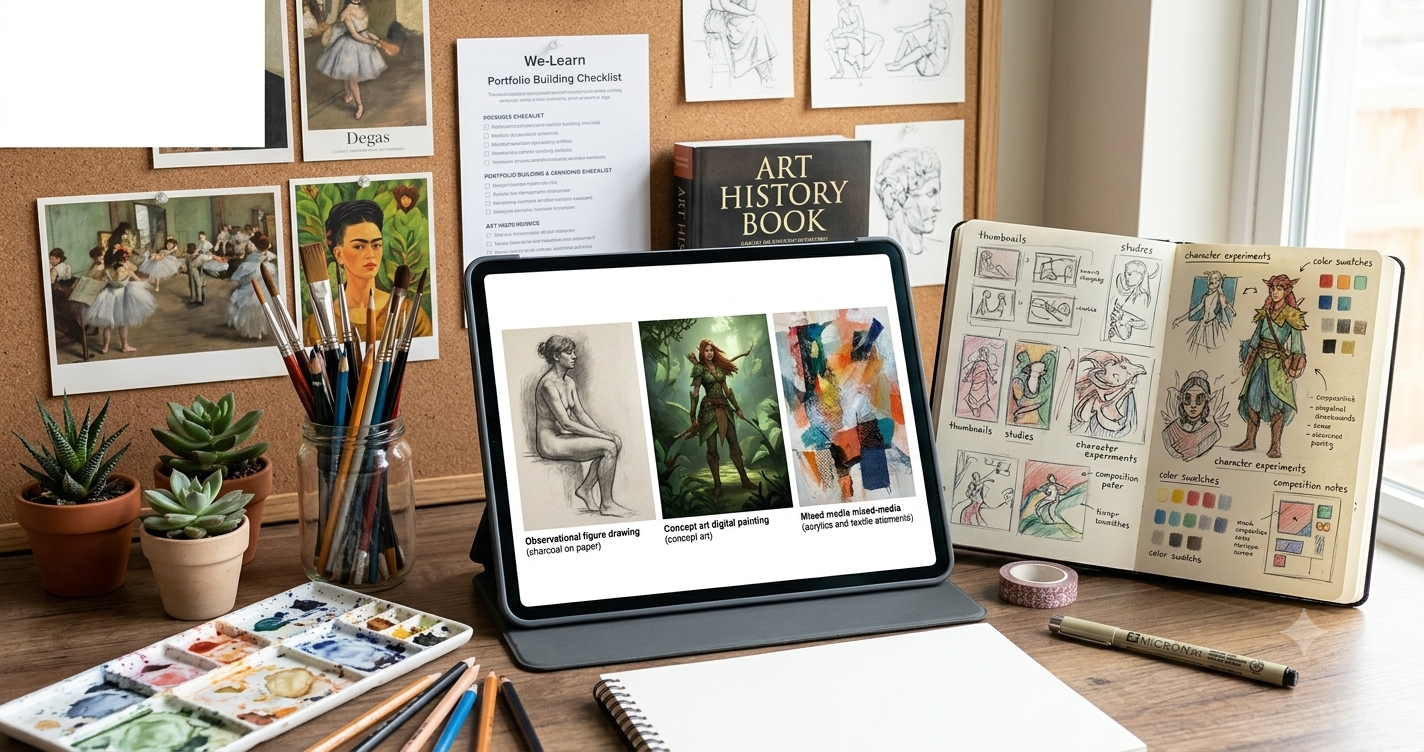
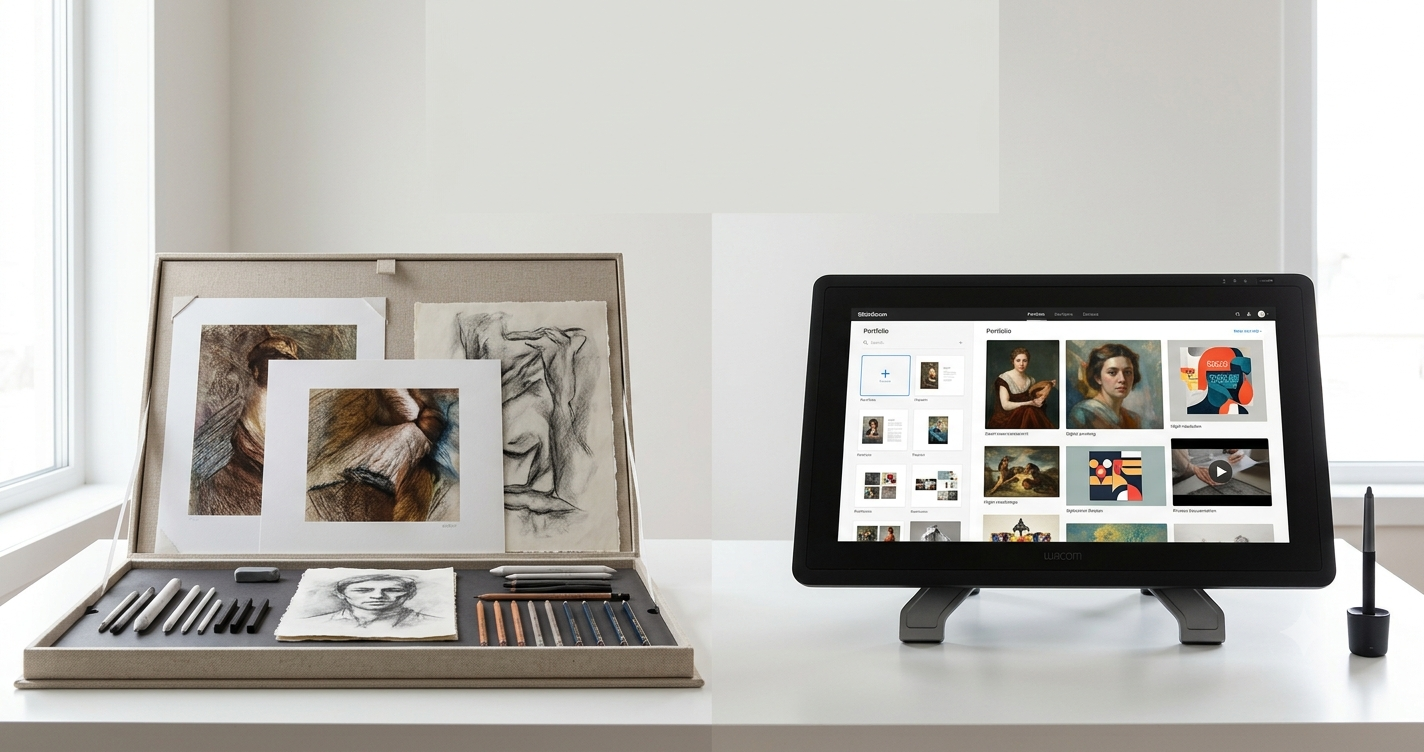
Digital art portfolios refer to student art portfolios that are either online or in PDF form, which are sent via college websites or portals. It is widely used in art college admissions today. Students can easily showcase images, video, and other aspects using digital platforms. While learning about making an art portfolio for college, students should ensure proper formatting and they should organize to avoid common art portfolio mistakes.
What is a Physical Art Portfolio?
A physical art portfolio is a printed or handmade collection of artworks presented during interviews or entrance exams. This helps to create a more interactive process as far as handling and feeling the textures of the material is concerned. There are cases where some art portfolios require physical portfolios submission. During portfolio preparation, students must focus on neat presentation, proper mounting and logical arrangement to demonstrate creative skills and seriousness towards college admissions.
Art Portfolio Requirements in College Admissions
Comprehension of the art portfolio specifications is key to making informed decisions regarding whether you need an online or traditional art portfolio. Different schools have different specifications for their art portfolios. Some institutes want you to submit your art portfolio digitally while others want you to undergo several rounds of physical art portfolio review. A strong student art portfolio must align with the college’s expectations and clearly showcase creative thinking.
Advantages of a Digital Student Art Portfolio
A digital student art portfolio offers flexibility and accessibility. They are easily accessible and can be shared among various colleges when applying for admission. Students can include process videos, animations, and high-resolution images to strengthen visual storytelling. The process of creating an art portfolio becomes relatively easier using editing tools and design software. Many people opt for digital portfolios compared to physical portfolios because of the ease they afford.
Advantages of a Physical Student Art Portfolio
The physical student portfolio makes a personal as well as memorable impression during the interview. It allows examiners to see textures, sketch quality, and detailing closely. In classes that require a lot of creativity in areas such as fine arts, this form of portfolio works well. As students create an art portfolio for college, the physical form proves their hard work in the process.
Art Portfolio Mistakes Students Must Avoid
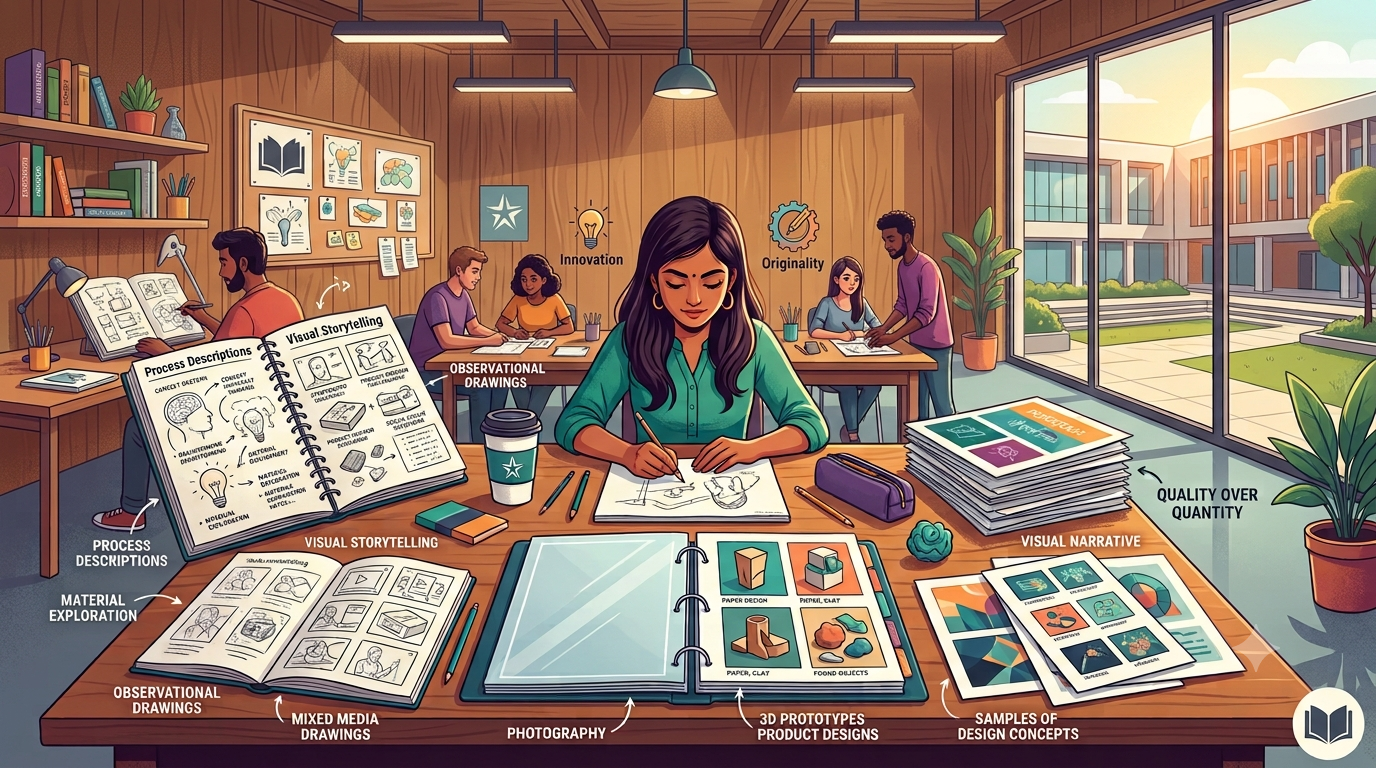
Whether choosing a digital vs physical art portfolio, common art portfolio mistakes can affect college admissions. Low-quality images, too many similar works of art, absence of process pieces, and poor use of visual story telling techniques lessen their effects. While creating an art portfolio for your college education, keep in mind that quality always matters more than quantity. Ensure your student art portfolio reflects originality, experimentation, and structured creative thinking throughout the portfolio building process.
Conclusion
The choice between an electronic or a tangible portfolio will depend on your art portfolio requirements, individual capabilities, and the college admission process. Both portfolios will be able to showcase your art portfolio well, as long as you prepare them appropriately. The most important thing is how you prepare your art portfolio and demonstrate creativity through your work. While learning how to build an art portfolio, focus less on format and more on expressing authentic creative thinking.